
My Diagnosis Story
I was diagnosed with juvenile arthritis (JA) when I was 12 years old.
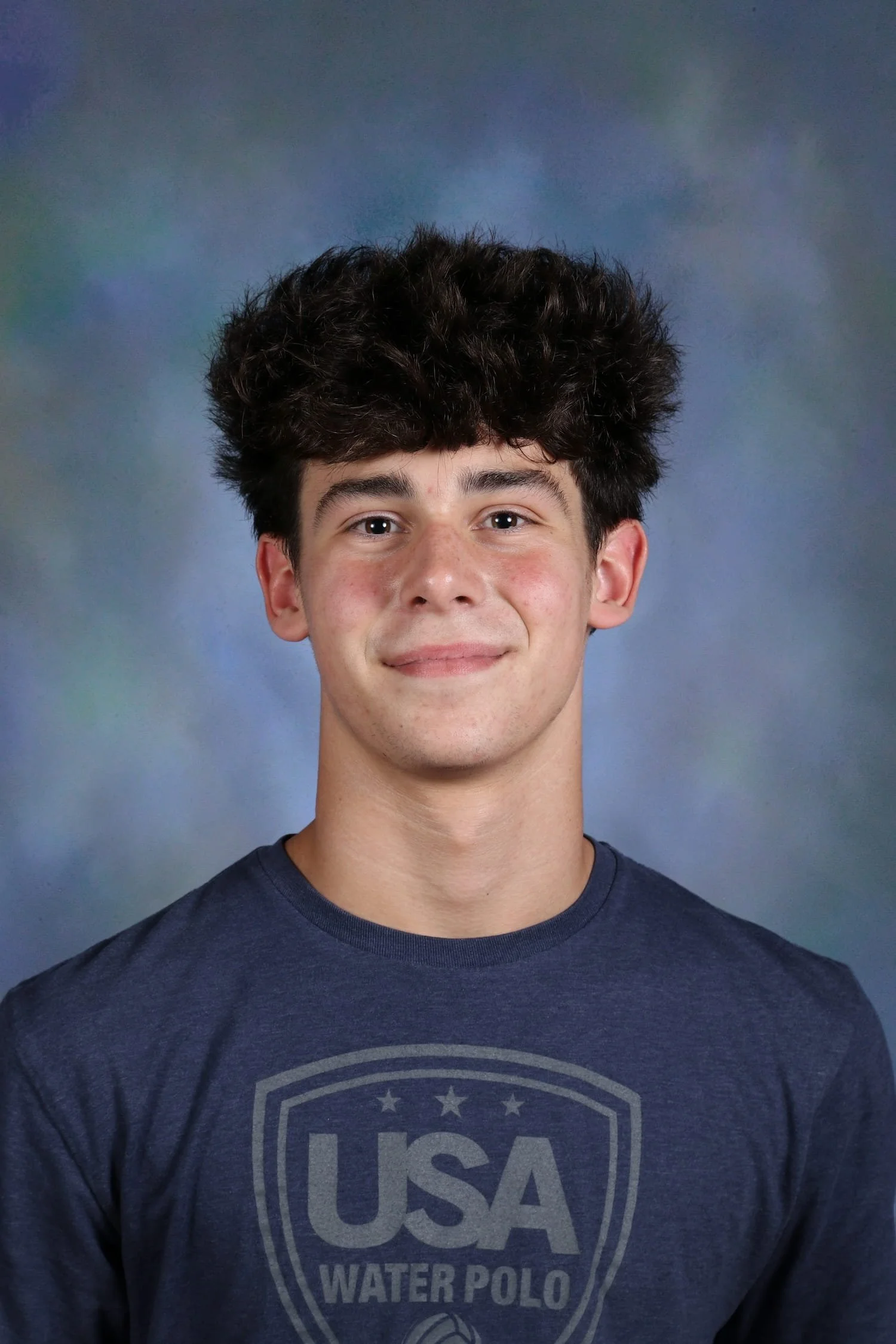
Up until then, sports were a huge part of my life. I played basketball and soccer, and I also swam on local teams. In each sport, I was able to feel proud about my performance, competing against other players, while also making life-long friends. However, in September of 2022, I started to notice subtle joint pain in my feet and legs. The pain was most noticeable on the field while I was playing sports, but it reached a turning point when I was playing soccer in my back yard one evening. While taking goal shots, the pain became so excruciating that I knew something was wrong. It felt like knives were in my feet and legs.
Around this time, the pain became more consistent, and it was often hard for me to get out of bed in the morning and walk up the stairs. My mom kept taking me to different doctors seeing if we could find a diagnosis or solution to at least help ease the pain. Each visit was met with frustrating results, though, as the physical therapists would get upset when I couldn’t pinpoint the pain and isolate it to a certain area. I have since learned that this is very common with JA. Finally, when we went to our third orthopedic doctor, we were recommended to take a blood test and have an MRI. That finally led to a diagnosis of arthritis called Juvenile Idiopathic Arthritis (JIA). JIA is diagnosed during childhood and may or may not be lifelong. This specific form of JA causes joint inflammation, pain and stiffness. It’s unclear what the main causes of JIA are, but we do know that it is an autoimmune disease that occurs when the immune system mistakenly attacks the joints.
Fortunately, the orthopedic doctor told me about a medicine called Humira that would help me. At first, when I heard that I'd have to take medication constantly, I was frustrated. However, it has helped a lot with managing pain, and now I’m able to walk and run without pain. It is a self-administered shot every two weeks. I saw changes within the first few days that improved my pain. Around once a year, I go to the doctor for a check up. This includes yearly blood tests and physical movement, as well as an MRI to monitor inflammation, and to see whether it's helpful to switch medications or modify treatment. I will probably have to stay on the medication for the rest of my life, or at least until my doctor says that the inflammation has gone down significantly enough to not take it anymore. With time though, I have gotten used to it.
While I can still play basketball and soccer through pick up and rec leagues, they’ve become more social activities than anything. Still, I wanted a sport that I could fully commit to and have fun. Throughout the diagnosis and treatment process, we found out that if I swam and played water sports, there would be less of an impact on my joints, and it would be a way for me to get back into competitive sports. I had swum a lot previously, but I always thought that the sport was kind of boring. I was looking for something a little more competitive. A friend eventually recommended that I try water polo. I had heard about water polo before but never seriously considered playing until this moment.
As my mom and I started researching different water polo clubs in our area, we found the CT Premier water polo team. After the first practice, I loved it. I was hooked, and I continue to play on the team to this day. Clearly, JIA has brought more to me than achy joints. It has altered my life. It has helped me grow. It has made me stronger. I think even though it was hard at first, it has clearly helped me find my passion.
